Proud to be voted Best of Greater Idaho Falls 2025 for three years in a row.

Feet That Itch and Burn

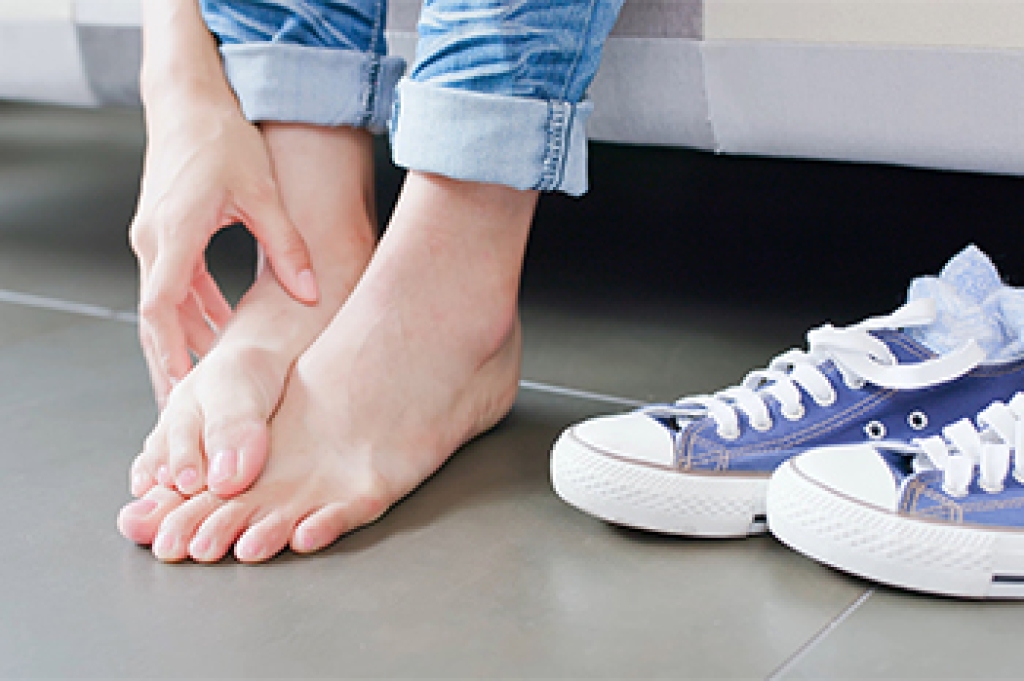
Athlete’s foot is a fungal infection that affects the skin of the feet, often starting between the toes. The skin may appear red, flaky, or cracked, and itching or burning sensations can become persistent. In some cases, the area may feel moist or develop small blisters, especially after wearing tight or non-breathable shoes. This condition thrives in warm, damp environments, such as locker rooms, sweaty footwear, or shared surfaces. It can spread easily and may worsen without proper care. A podiatrist can diagnose athlete’s foot through a clinical exam and recommend treatment based on severity. Care may include antifungal medications, improved foot hygiene, and guidance on keeping the feet dry and protected. Early treatment helps prevent the infection from spreading to the nails or other areas. If you have symptoms of athlete’s foot, it is suggested that you make an appointment with a podiatrist.

Athlete’s foot is an inconvenient condition that can be easily reduced with the proper treatment. If you have any concerns about your feet and ankles, contact Braden Jenkins, DPM from The Ridge Foot & Ankle Center.  Our doctor will treat your foot and ankle needs.

Athlete’s Foot: The Sole Story

Athlete's foot, also known as tinea pedis, can be an extremely contagious foot infection. It is commonly contracted in public changing areas and bathrooms, dormitory style living quarters, around locker rooms and public swimming pools, or anywhere your feet often come into contact with other people.

Solutions to Combat Athlete’s Foot

  • Hydrate your feet by using lotion
  • Exfoliate
  • Buff off nails
  • Use of anti-fungal products
  • Examine your feet and visit your doctor if any suspicious blisters or cuts develop

Athlete’s foot can cause many irritating symptoms such as dry and flaking skin, itching, and redness. Some more severe symptoms can include bleeding and cracked skin, intense itching and burning, and even pain when walking. In the worst cases, Athlete’s foot can cause blistering as well. Speak to your podiatrist for a better understanding of the different causes of Athlete’s foot, as well as help in determining which treatment options are best for you.

If you have any questions please feel free to contact our office located in Idaho Falls, ID . We offer the newest diagnostic and treatment technologies for all your foot and ankle needs.


Read more about How to Deal with Athlete's Foot

Minimally Invasive Surgery for Long-Lasting Heel Pain

Persistent heel pain on the bottom of the foot can make walking and standing difficult, over time. When rest, stretching, and other non-surgical treatments do not provide relief, a minimally invasive procedure may be considered. This type of treatment uses small instruments and a camera to view and treat the problem area through tiny openings in the skin. The goal is to release tight tissue and reduce strain on the heel. Because the openings are small, there is often less disruption to surrounding structures and a shorter recovery period compared to traditional surgery. Many patients are able to return to daily activities more quickly with proper guidance. Not every case requires this approach, and careful evaluation is important. If heel pain continues despite treatment, it is suggested that you see a podiatrist to discuss appropriate options and next steps.

Foot surgery is sometimes necessary to treat a foot ailment. To learn more, contact Braden Jenkins, DPM of The Ridge Foot & Ankle Center. Our doctor will assist you with all of your foot and ankle needs.

When Is Surgery Necessary?

Foot and ankle surgery is generally reserved for cases in which less invasive, conservative procedures have failed to alleviate the problem. Some of the cases in which surgery may be necessary include:

  • Removing foot deformities like bunions and bone spurs
  • Severe arthritis that has caused bone issues
  • Cosmetic reconstruction

What Types of Surgery Are There?

The type of surgery you receive will depend on the nature of the problem you have. Some of the possible surgeries include:

  • Bunionectomy for painful bunions
  • Surgical fusion for realignment of bones
  • Neuropathy decompression surgery to treat nerve damage

Benefits of Surgery

Although surgery is usually a last resort, it can provide more complete pain relief compared to non-surgical methods and may allow you to finally resume full activity.

Surgical techniques have also become increasingly sophisticated. Techniques like endoscopic surgery allow for smaller incisions and faster recovery times.

If you have any questions, please feel free to contact our office located in Idaho Falls, ID . We offer the newest diagnostic and treatment technologies for all your foot care needs.

Read more about Foot and Ankle Surgery

Get Proper Treatment for Ankle Injuries

If you're experiencing ankle pain, you may be suffering from an ankle injury. Sprains, fractures, Achilles tendonitis, and Achilles tendon ruptures are just some examples of potential ankle injuries. Don't wait for care for an ankle injury, as it may worsen over time. We can help!

Toes That Suddenly Burn With Pain

Gout is a form of inflammatory arthritis that often affects the big toe joint of the foot. It develops when uric acid builds up in the bloodstream and forms sharp crystals inside a joint. The pain usually begins suddenly, often during the night, and the joint may appear red, swollen, and extremely tender to touch. Even light pressure from a bedsheet can feel intense. Patients often describe the pain as burning or throbbing, and the skin around the joint may feel warm or tight. Common causes include high uric acid levels related to diet, dehydration, problems with kidney function, or genetics. A podiatrist can help diagnose gout through an examination, medical history, and sometimes blood tests or imaging. Treatment focuses on calming the inflammation and preventing future attacks. Care may include medication, supportive footwear, and guidance on lifestyle changes that reduce uric acid levels. Early treatment can protect the joint from long-term damage and reduce repeated flare-ups. If you think you may have gout, it is suggested that you make an appointment with a podiatrist. 

Gout is a foot condition that requires certain treatment and care. If you are seeking treatment, contact Braden Jenkins, DPM from The Ridge Foot & Ankle Center. Our doctor will treat your foot and ankle needs.

What Is Gout?

Gout is a type of arthritis caused by a buildup of uric acid in the bloodstream. It often develops in the foot, especially the big toe area, although it can manifest in other parts of the body as well. Gout can make walking and standing very painful and is especially common in diabetics and the obese.

People typically get gout because of a poor diet. Genetic predisposition is also a factor. The children of parents who have had gout frequently have a chance of developing it themselves.

Gout can easily be identified by redness and inflammation of the big toe and the surrounding areas of the foot. Other symptoms include extreme fatigue, joint pain, and running high fevers. Sometimes corticosteroid drugs can be prescribed to treat gout, but the best way to combat this disease is to get more exercise and eat a better diet.

If you have any questions, please feel free to contact our office located in Idaho Falls, ID . We offer the newest diagnostic and treatment technologies for all your foot care needs.

Read more about Everything You Need to Know About Gout

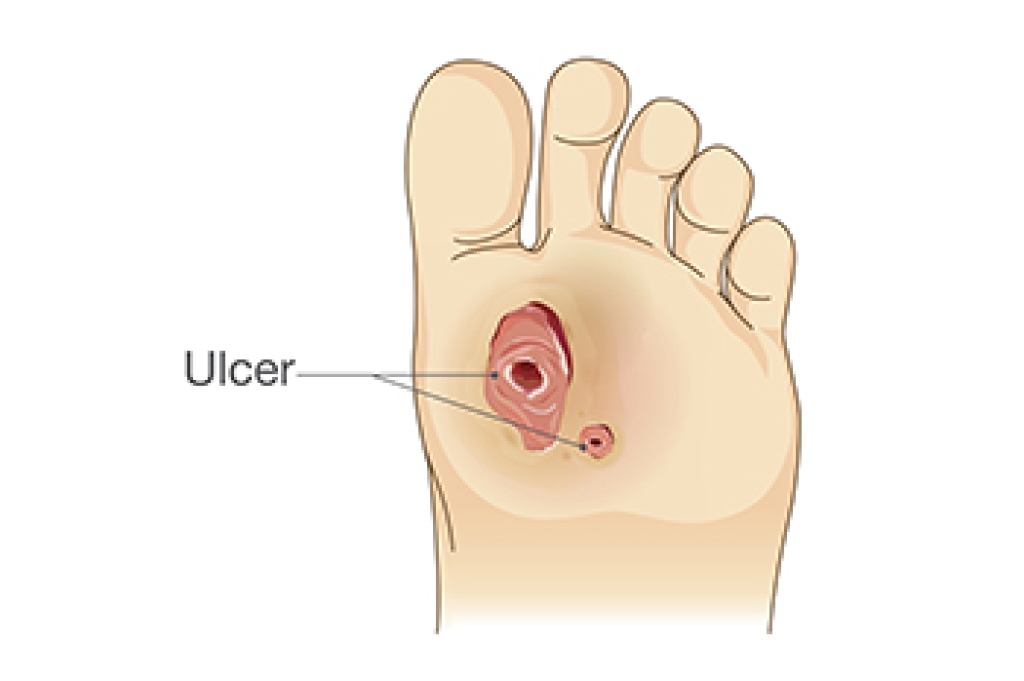
Understanding the Main Types of Diabetic Foot Ulcers

Diabetic foot ulcers are open wounds that can form when long-term diabetes damages nerves or reduces circulation in the lower extremities. These wounds are often grouped into three categories based on the main cause. Purely neuropathic ulcers develop when nerve damage reduces feeling in the foot. Because sensation is limited, a person may not notice pressure, rubbing, or small injuries, allowing the skin to break down over time. Purely ischemic ulcers are related to poor blood flow. When circulation to the feet is reduced, the skin and tissues receive less oxygen and nutrients, which makes healing slow and increases the risk of tissue damage. Mixed neuroischemic ulcers involve both nerve damage and poor circulation. This combination can make injuries harder to detect and more difficult for the body to repair. If you have diabetes and a sore on the foot does not heal normally or becomes painful or swollen, it is suggested that you promptly see a podiatrist for a proper diagnosis and appropriate treatment.

Diabetic foot care is important in preventing foot ailments such as ulcers. If you are suffering from diabetes or have any other concerns about your feet, contact Braden Jenkins, DPM from The Ridge Foot & Ankle Center. Our doctor can provide the care you need to keep you pain-free and on your feet.

Diabetic Foot Care

Diabetes affects millions of people every year. The condition can damage blood vessels in many parts of the body, especially the feet. Because of this, taking care of your feet is essential if you have diabetes, and having a podiatrist help monitor your foot health is highly recommended.

The Importance of Caring for Your Feet

  • Routinely inspect your feet for bruises or sores.
  • Wear socks that fit your feet comfortably.
  • Wear comfortable shoes that provide adequate support.

Patients with diabetes should have their doctor monitor their blood levels, as blood sugar levels play such a huge role in diabetic care. Monitoring these levels on a regular basis is highly advised.

It is always best to inform your healthcare professional of any concerns you may have regarding your feet, especially for diabetic patients. Early treatment and routine foot examinations are keys to maintaining proper health, especially because severe complications can arise if proper treatment is not applied.

If you have any questions, please feel free to contact our office located in Idaho Falls, ID . We offer the newest diagnostic and treatment technologies for all your foot care needs.

Read more about Diabetic Foot Conditions
scroll to top